Dave Gerhardt turned Exit Five from a scattered newsletter into a thriving community business with 43% year-over-year revenue growth. Here's how Circle made it possible - and why founders should pay attention.

5min read
From Slack Chaos to Community Empire
Dave Gerhardt had the audience. As the founder of Exit Five, a B2B marketing community, he had built a newsletter with serious traction. But his community was scattered — fragmented across Slack channels, email inboxes, and social media threads. Valuable conversations were getting lost in the noise. Members had to jump between tools just to access content, attend events, or network with each other. Engagement was dropping off. And without a centralized, branded home, Exit Five felt like a side project rather than a business.
Sound familiar? For most founders, the early community-building phase looks exactly like this. You start with what is free and available — a Slack workspace, a Mailchimp list, a Calendly link for events, a Stripe account for payments. Before long, you are managing six different tools, none of which talk to each other, and your members are confused about where to go for what.
Gerhardt's breakthrough came when he moved Exit Five to Circle.
The All-in-One Community OS
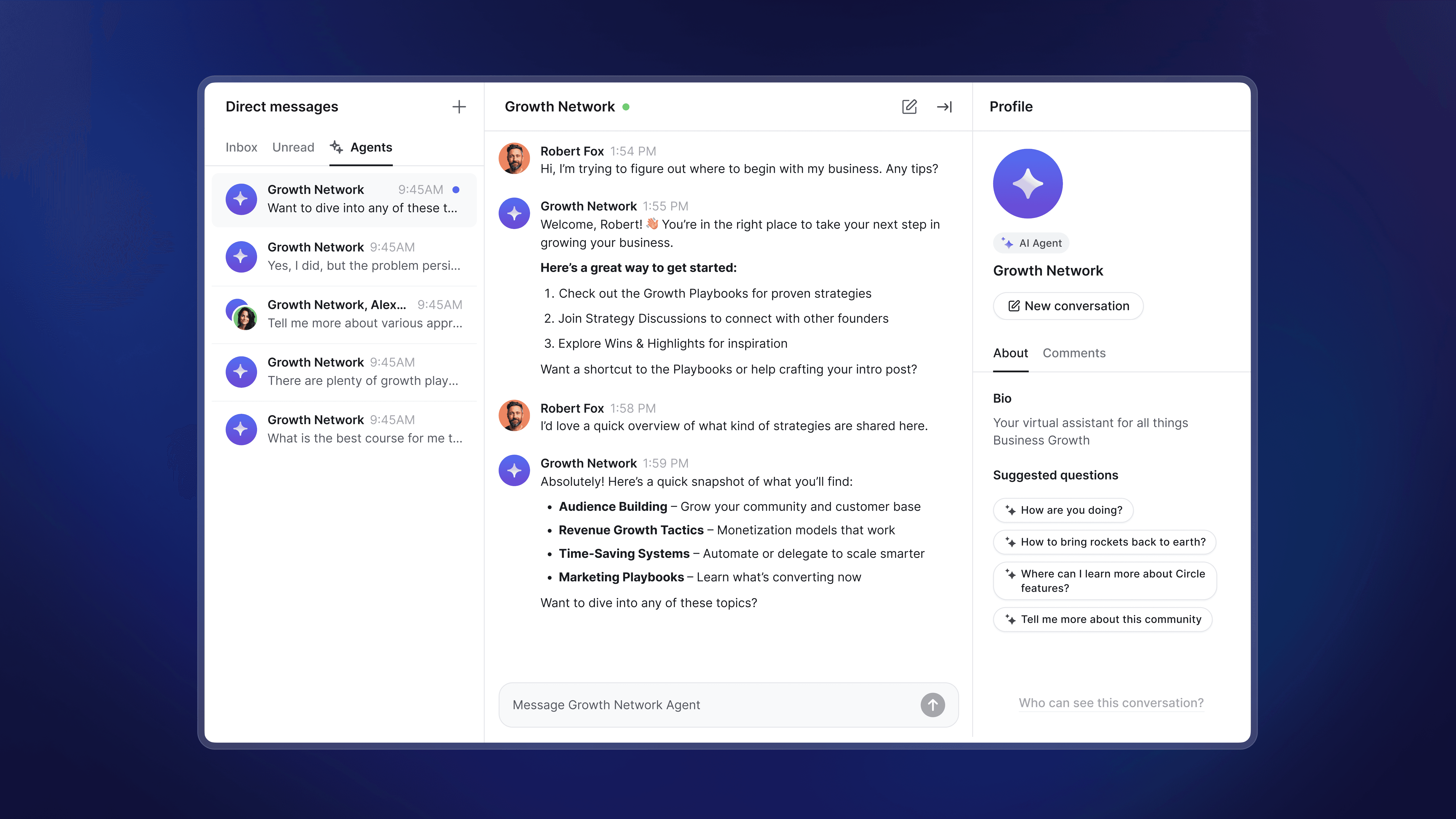
Circle is not just another forum tool. It is an all-in-one platform that unifies community, content, events, courses, and commerce under your own brand. Think of it as the operating system for community-driven businesses.
For Exit Five, the migration meant:
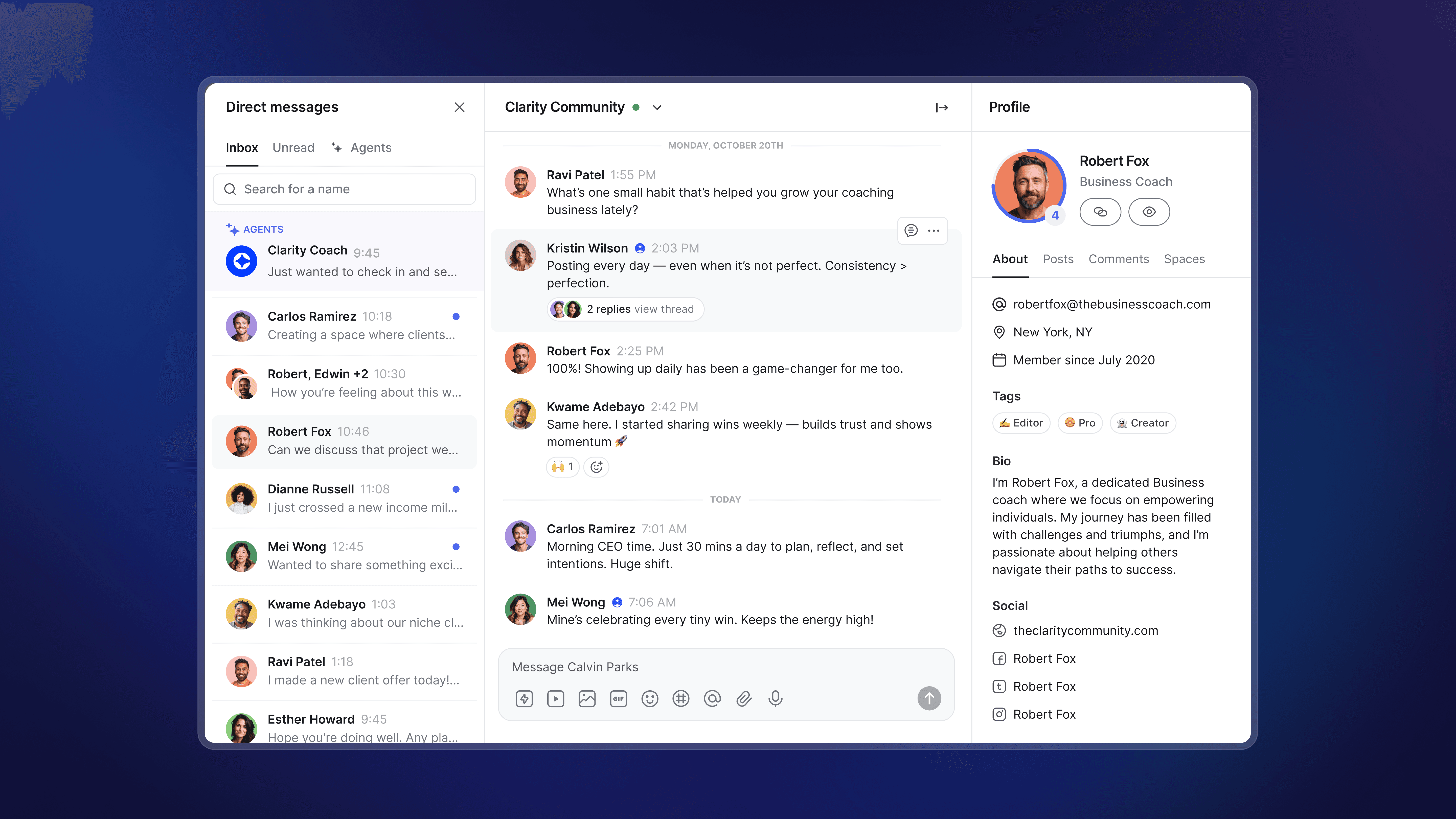
Organized Spaces: Replacing the "Slack mess" with structured discussion areas, a searchable Resource Library, and a live Events calendar.
A Branded Mobile App: Members could network and learn on the go — critical for busy B2B marketers with zero downtime.
Automated Onboarding: New members were guided into relevant spaces from day one, ensuring they found value immediately rather than bouncing off a chaotic interface.
The results were transformative. Exit Five grew to 6,000+ members, launched 30+ in-person chapters globally, and achieved 2x annual member growth since joining Circle. Revenue grew 43% year-over-year.
As Gerhardt put it: "Circle made us look and feel like a real company. It turned a side project into a business."
Why This Matters for Founders
Community is no longer a nice-to-have. It is a defensible asset. Investors are increasingly looking at community metrics — engagement rates, retention curves, net promoter scores — as leading indicators of product-market fit and long-term value.
But you cannot build a premium community on a patchwork of free tools. Fragmentation kills engagement. Brand dilution signals amateurism. And operational overhead prevents you from scaling.
Circle solves this by giving founders:
Centralized Hub: Discussions, courses, live events, and resource libraries in one place.
Native Monetization: Paid memberships, subscriptions, and one-time purchases built in — no complex integrations required.
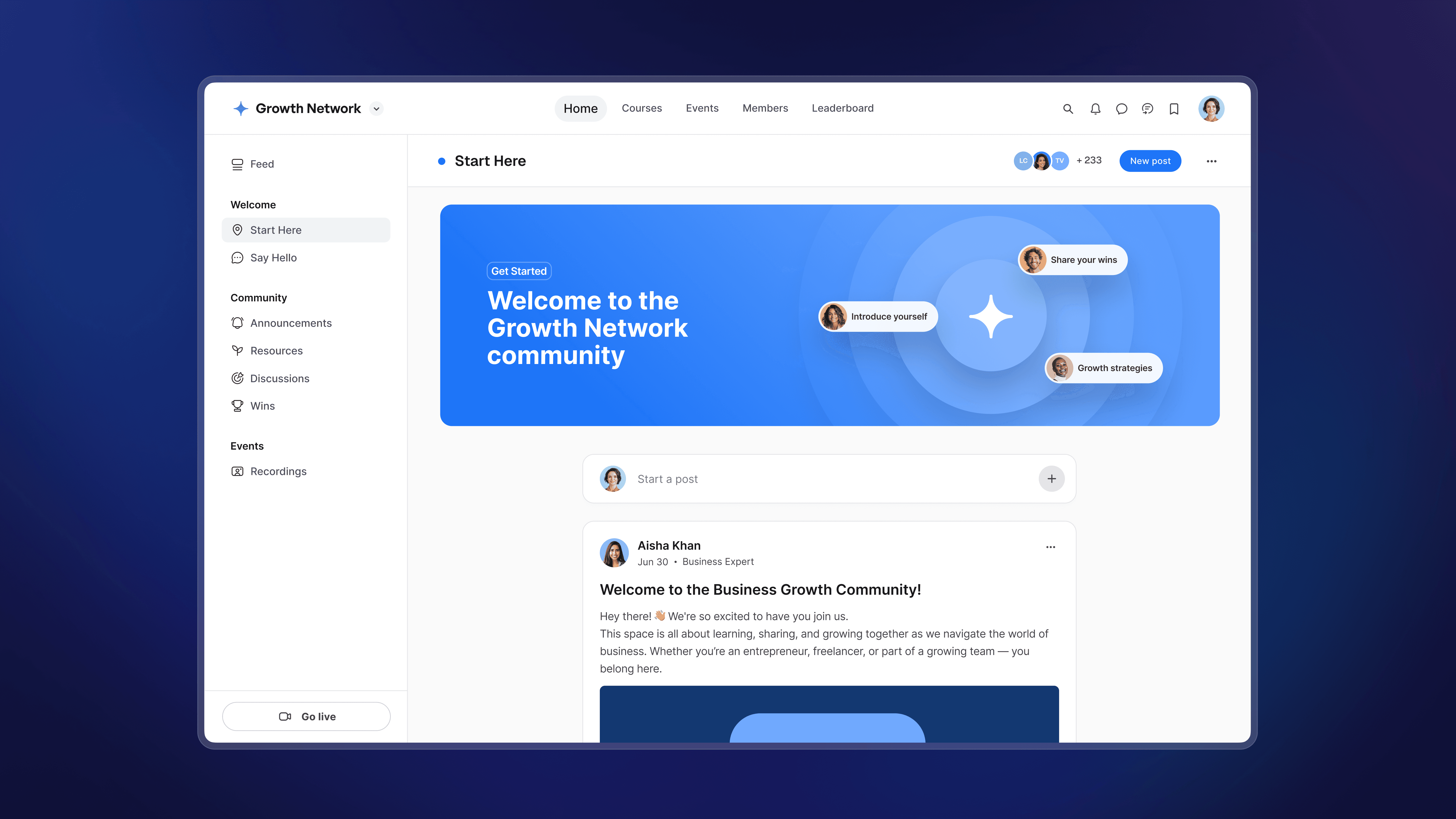
AI-Powered Workflows: Automated onboarding, content moderation, and member engagement that scales without hiring a community team.
Branded Mobile App: Your own iOS and Android app, increasing visibility and creating a direct line to your members.
Email Marketing: Broadcasts and automations that reach the right members at the right time.
From Audience to Asset
The transition from "audience" to "community" is the transition from attention to retention. Anyone can build an audience on social media. But an audience is rented — algorithms change, platforms shift, and your reach can disappear overnight. A community is owned. It lives on your domain. It pays you directly. It advocates for your brand.
Circle is the infrastructure that makes this transition possible. Whether you are a first-time founder with a nascent newsletter or a scale-up founder looking to unify a fragmented member base, the platform gives you the tools to turn scattered engagement into a thriving, monetized ecosystem.
Exit Five proved it. 6,000 members. 43% revenue growth. 30+ global chapters. One platform.
If you are building something that relies on people, relationships, and recurring value, it is time to stop renting your community and start owning it.